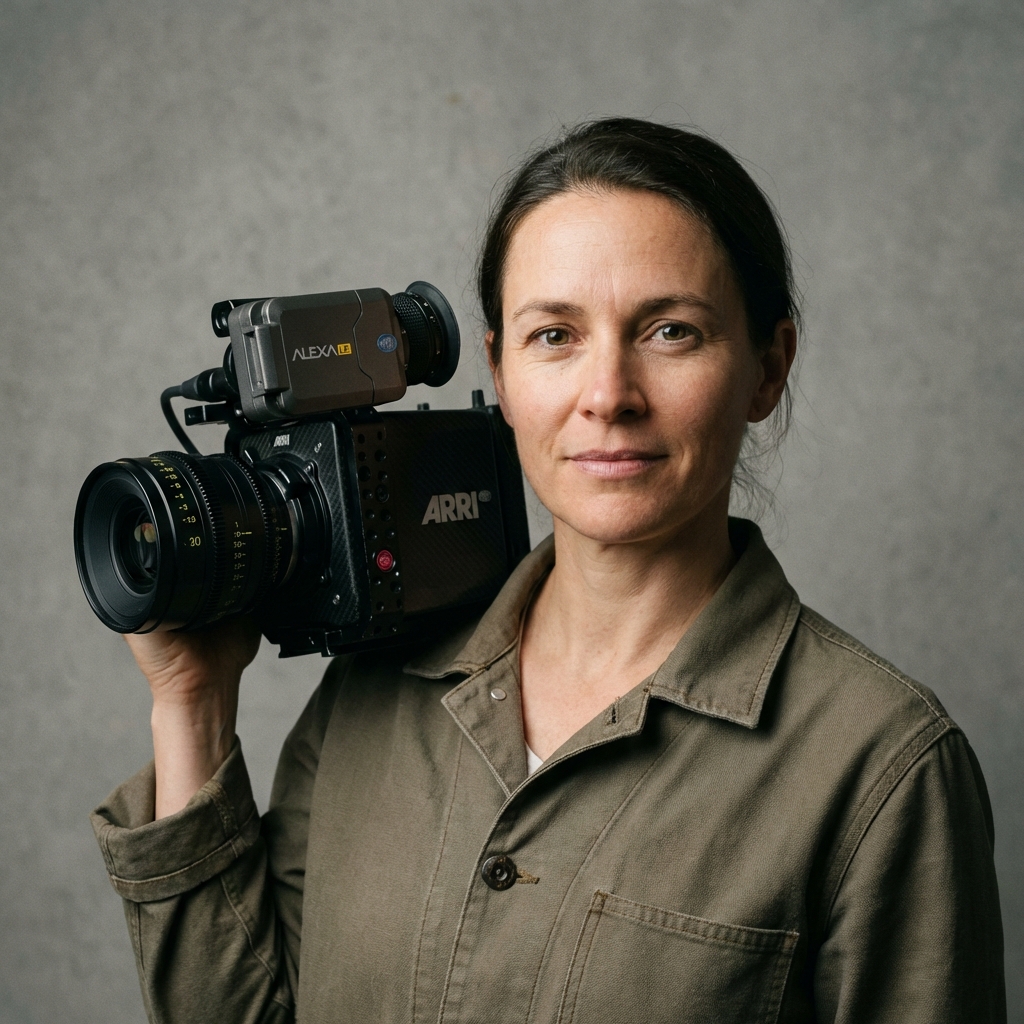
In the visual production industry, we are taught to work until the sun comes up. But in 2026, the most successful creatives aren't those who work the hardest; they are those who last the longest.
Creative burnout is the silent killer of cinematic careers. It doesn't happen overnight; it's a slow erosion of passion, replaced by a clinical, robotic approach to the craft. When you stop "feeling" the frame and start just "filling" the frame, you have entered the danger zone. As an Executive Producer, I've seen the industry's brightest minds burn out by age 30. To reach the elite level of the craft, you must protect your psychological capital as fiercely as your physical gear.
I. THE SIGNAL VS. THE NOISE: Recognizing the Signs
The first step in managing burnout is distinguishing between "Production Fatigue" and "True Burnout." Fatigue is physical—your back hurts from the Easy-Rig, your eyes are red from the monitor. Fatigue is cured by 12 hours of sleep.
Burnout is psychological. It manifests as **Acedia**—a lack of care for the outcome. If you no longer care about the color science, the framing, or the storytelling, and you find yourself just "watching the clock" on a $10,000 day rate, the rot has set in. Early recognition of this apathy is the only way to prevent a total career collapse.
II. THE 90-MINUTE FOCUS CYCLE
For editors and colorists, burnout is often a result of "Micro-Decision Fatigue." Throughout an 8-hour shift, you make thousands of tiny choices. By hour 6, your brain is fried. In 2026, the elite post-houses have moved to **90-Minute Focus Cycles**.
- 90 Minutes: Deep work, no notifications, no emails. Just the timeline.
- 20 Minutes: Total screen detachment. Walk outside, look at something far away (to reset ocular focus), and do not check your phone.
This cycle resets your decision-making capacity and prevents the "brain fog" that leads to sloppy, uninspired edits.
III. ESTABLISHING DIGITAL BOUNDARIES
The "Always-On" culture of creative agencies is a primary driver of stress. In 2026, I advise all our freelancers to implement the **Ghosting Protocol**.
This means that at 7:00 PM (or whatever your designated cutoff is), your Slack, email, and WhatsApp go dark. If it's not a literal "Set is on fire" emergency, it can wait until 9:00 AM. High-value clients respect boundaries. They don't want a "yes-man" who is too exhausted to think; they want a partner who is well-rested and sharp. Setting boundaries actually increases your perceived value.
IV. PHYSICAL MAINTENANCE: The Atlas Strategy
We often forget that production is a physical sport. The stress of carrying a Sony Venice for 14 hours or sitting in a $200 office chair for 3 weeks of editing creates physical trauma that manifest as mental stress.
Investment in proper ergonomics—a Herman Miller Aeron, a standing desk, a professional Easy-Rig—is not a luxury; it is a **Health Security** investment. The physical comfort of your workspace directly impacts the quality of your creative output. You cannot create a masterpiece if your lower back is in a state of constant inflammation.
V. THE CREATIVE SABBATICAL
The top 1% of the DPs and Directors I work with all have one thing in common: They take at least **4 weeks of total downtime** every year. Not "checking emails while on a beach," but a total disconnection from the industry.
During this time, they fill their "Creative Well" by consuming other forms of art—painting, philosophy, architecture, or nature. This sabbatical allows the subconscious to process the year's work and find new inspiration. If you only look at other people's reels, your work will only ever be a derivative of what's already been done. Inspiration comes from the outside world.
THE VERDICT
Managing burnout isn't about working less; it's about working **Intelligently**. By building a life of structure, boundaries, and rest, you don't just protect your mental health—anda actually improve the quality of your art. Long-term success in the visual arts is a marathon, not a sprint. Pace yourself, and the results will follow.
Access the Private Wellness Report
How the world's most successful visual artists manage high-pressure sets. Available only for CamJobz Members.
Join the Network